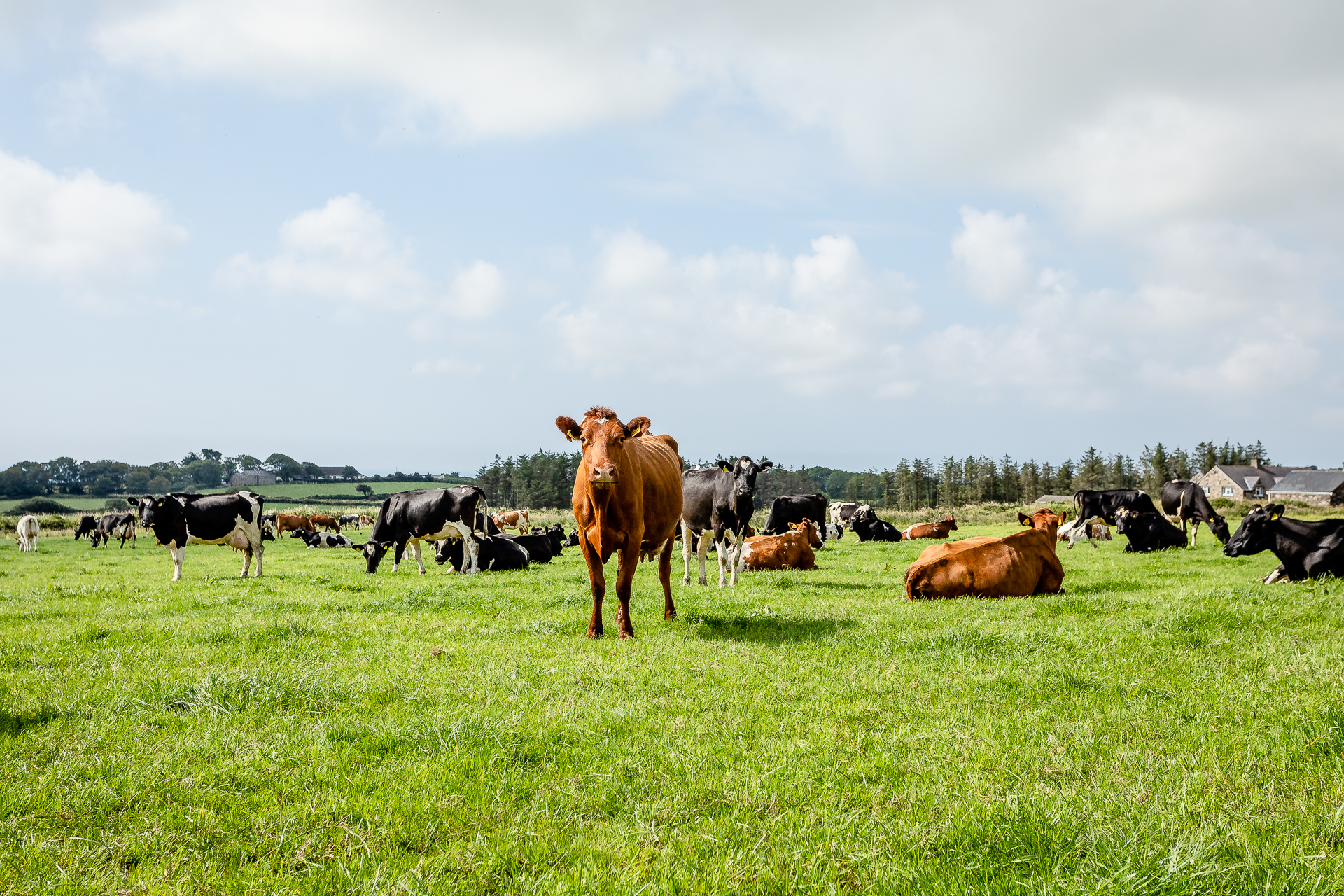
Tim Sayers of Isle of Man Creamery shares how the co-operative evolved from local milk to global exports, the advantages of being island-based, and why he’s attending his first Interceltic Business Forum in Lorient.
As Isle of Man Creamery celebrates 90 years of Manx dairy heritage, it’s also charting a bold future as a global exporter of award-winning cheese. At the heart of that evolution is Tim Sayers, Director of Sales, who leads the creamery’s efforts to grow international markets while staying rooted in the values that define Manx produce — sustainability, quality, and provenance.
We spoke with Tim ahead of his first appearance at the Interceltic Business Forum in Lorient this August to learn more about the Creamery’s journey, its export ambitions, and the role Celtic connections can play in unlocking new growth.
Dairy farming has always been a significant part of the Manx economy. In 1934, the Island’s dairy farms formed the current co-operative through an act of parliament — and last year, we proudly celebrated our 90th anniversary.
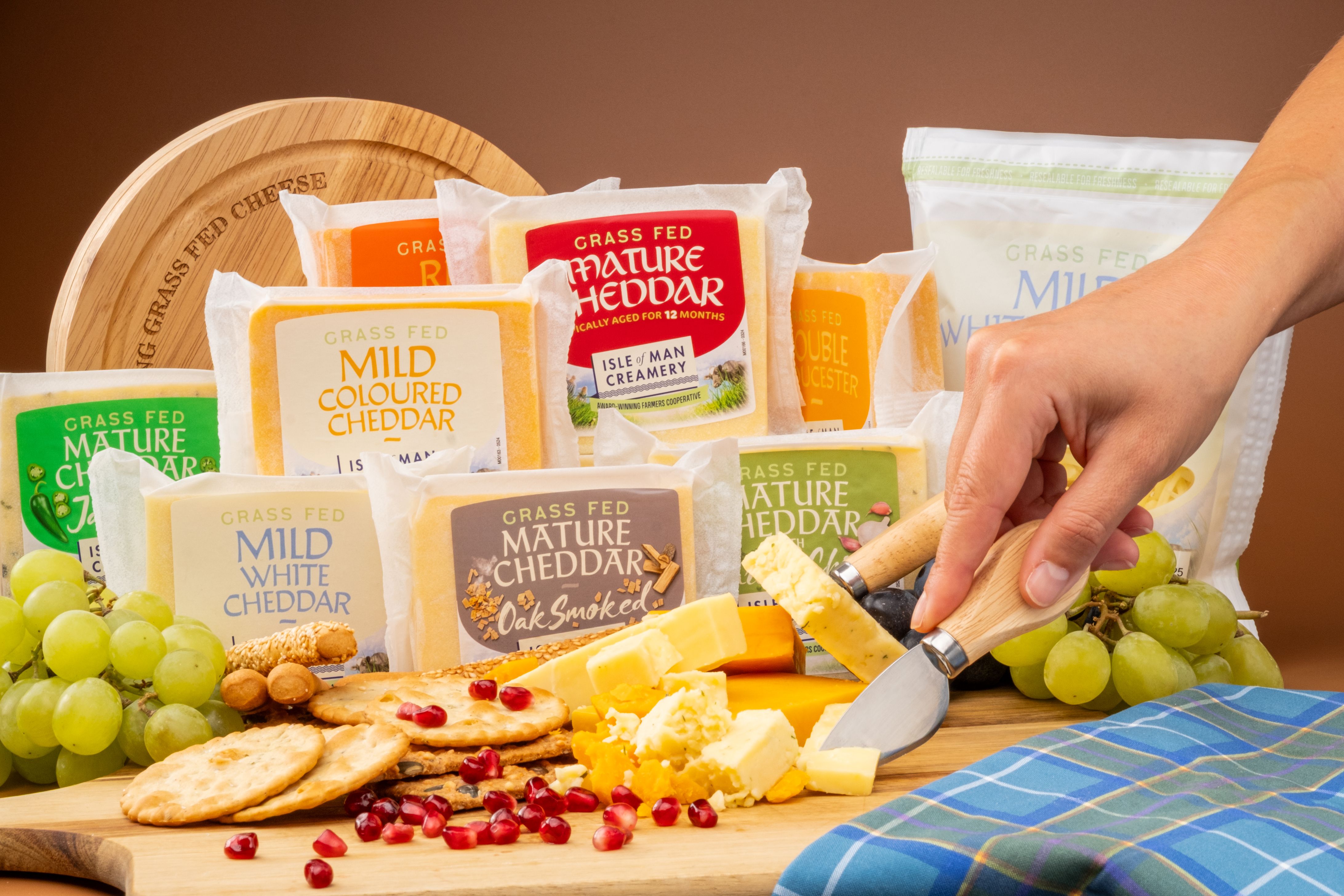
Over the years, we’ve expanded from offering only liquid milk and cream for local consumers to becoming a full-service composite dairy exporter. We now produce and ship a wide range of aged, vintage and flavoured cheddars — including award-winning Red Leicester.
We’ve also led on sustainability. In 2018, we became the launch customer for plant-based milk cartons with Tetra Pak in the British Isles. And in 2021, we were the first food production facility in the British Isles to eliminate fossil fuel-based plastic milk bottles entirely, switching to recyclable 2-litre cartons.
It’s a mixed bag. Importing raw materials and exporting finished goods naturally adds logistical complexity and cost. But it’s also what makes our story compelling.
We’ve focused on producing high-quality, value-added products with a strong narrative — something that sets us apart in a crowded market.
Being a small, diversified site means we don’t have the same economies of scale as major UK producers. But we do have an experienced, dedicated team that makes complexity work to our advantage.
Our largest export markets are the USA, Canada, Australia, Spain, and Ireland. We also sell within the UK — and see real growth potential in England, Scotland, and France.
What sets us apart is our “Isle of Man Grass-fed” certification. It’s fully audited and signals premium quality, natural production, and high animal welfare. Consumers worldwide are seeking cleaner, less processed foods — and we’re perfectly positioned for that trend.
Plus, our UNESCO Biosphere status adds unique appeal. The USA in particular responds very well to our island’s story and environmental credentials. Our export packaging even features the Isle of Man Biosphere logo.
Absolutely. The cheese export market is highly competitive — and buyers have no shortage of options. But connecting with the Celtic business community offers a unique opportunity where our story is already respected and understood.
This will be my first time attending the forum, and I’m genuinely looking forward to the relationships and networks it can help build. Events like this give us a platform to share the Manx story, connect with like-minded businesses, and explore new trade partnerships.
Export growth is a top priority — particularly in our vintage and aged cheddars. We're expanding presence in North America and targeting greater brand recognition across England and Scotland.
We’re also investing in new product development. One example: we’ve partnered with Okell’s Brewery (also on the Isle of Man) to create a mature cheddar infused with smoked porter, brewed specially for their 175th anniversary. It’s launching this Christmas — and if successful, we’d love to roll it out to export markets.
With a legacy stretching back nearly a century, Isle of Man Creamery has evolved from a local co-op to a global exporter — guided by quality, sustainability, and a deep connection to its island home.
As he joins the Interceltic Business Forum for the first time, Tim Sayers brings with him a taste of what makes Manx dairy special — and a vision for how Celtic collaboration can help small producers think big.
👉 Meet Tim and the Isle of Man delegation in Lorient this August, and discover what happens when tradition meets global ambition.

Global Cornish comes together in Wisconsin and New York to help grow diaspora engagement.
Read More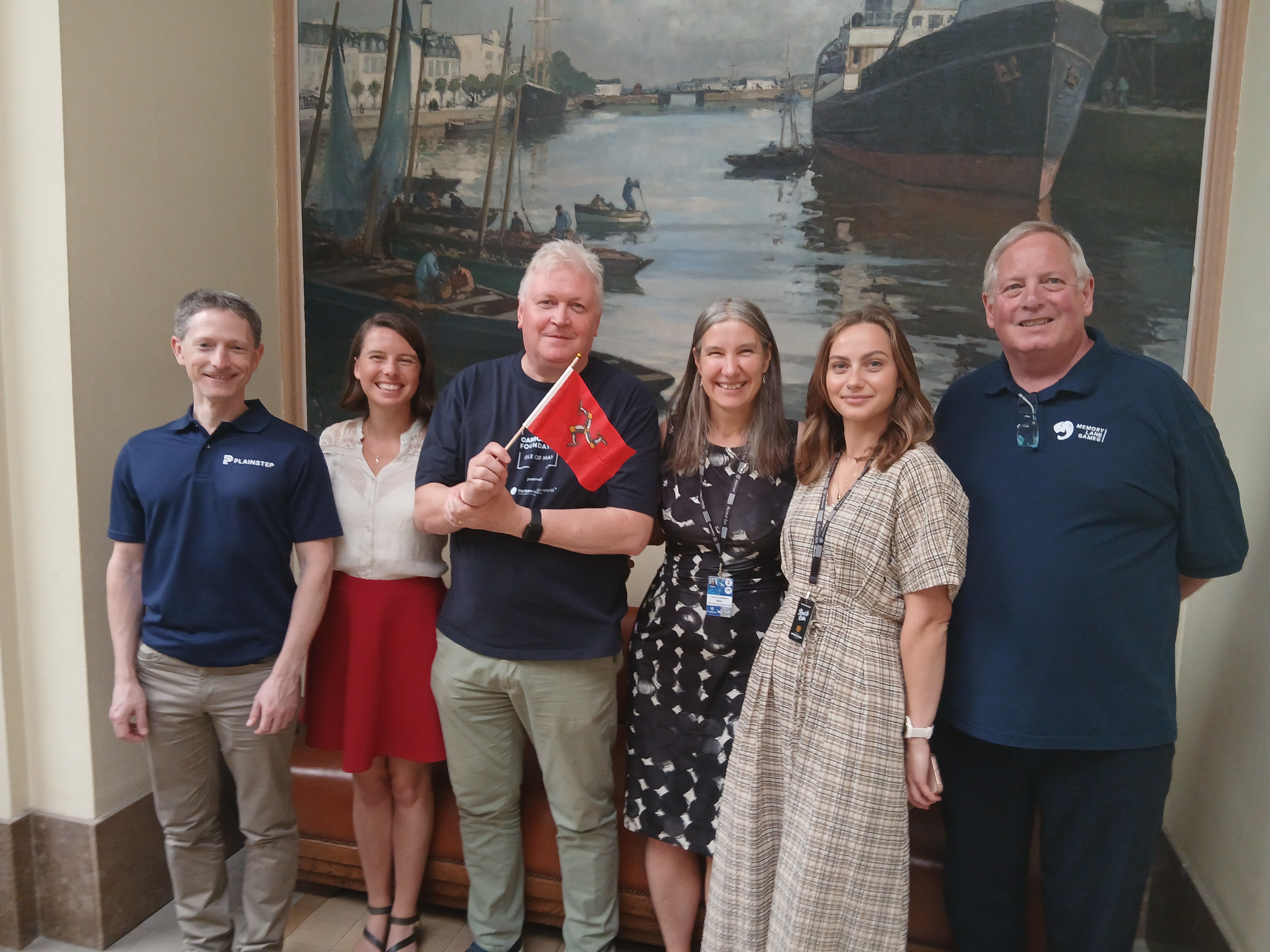
Discover what makes the Isle of Man a unique place to do business, from innovation and collaboration to UNESCO Biosphere status and quality of life.
Read More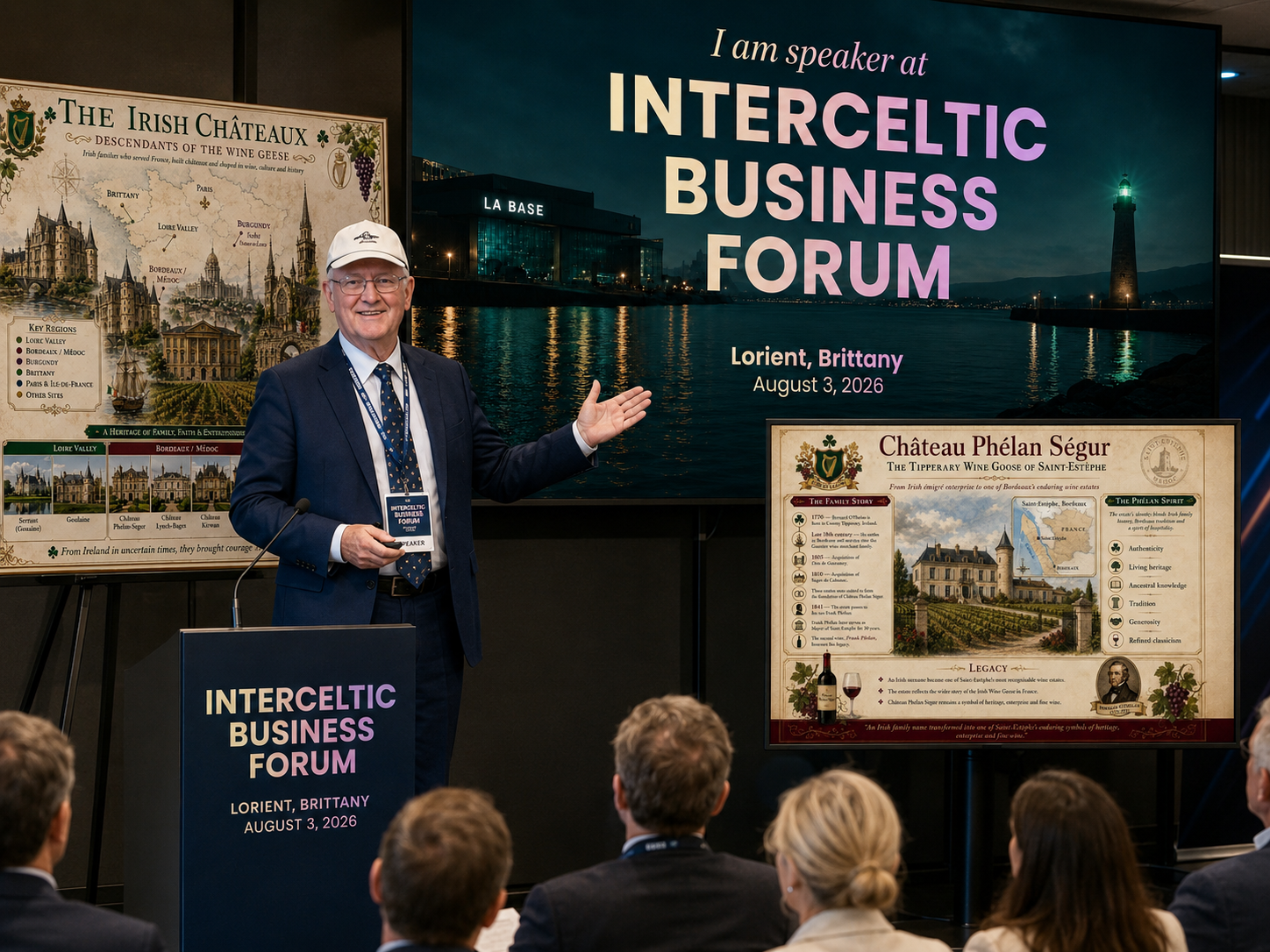
A pictorial history of the remarkable influence of Irish families and Irish châteaux on the French wine industry
Read More%20(1).jpg)
Irish fintech recognised for transforming digital customer experiences with no-code innovation and AI
Read More


