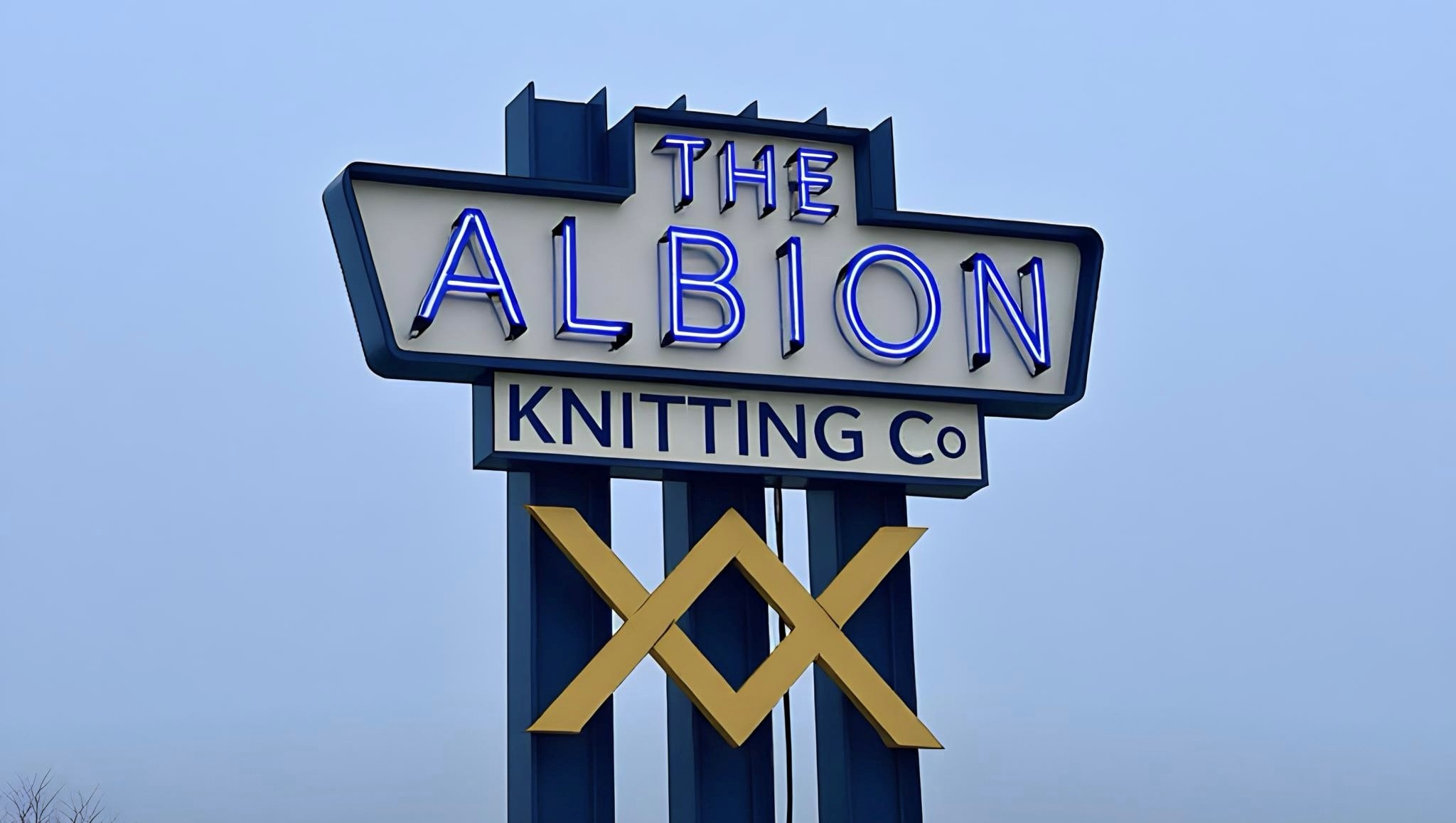
Chris Murphy, Founder & CEO of The Albion Knitting Co., discusses luxury knitwear manufacturing, sustainability, and why the Isle of Man is part of the company’s long-term vision.
As Founder & CEO of The Albion Knitting Co., Chris Murphy is helping to build a modern manufacturing business rooted in craftsmanship, technical expertise, and long-term thinking. What began as a vision to bring high-quality knitwear production closer to home has grown into a business that works with luxury and contemporary fashion brands while also investing in skills, education, and more responsible manufacturing.
In this interview, he reflects on the company’s journey, its move to the Isle of Man, and why he believes clothing production still has a strong future in the Celtic nations.
The Albion Knitting Company is an Isle of Man knitwear manufacturer focused on delivering high-quality, design-led production for luxury and contemporary fashion brands, while also investing in the long-term future of the industry through skills, education, and responsible manufacturing.
The business was founded in 2014 out of both a long-standing working relationship and a shared belief. Jamie O’Neill and I had worked together in China since the early 2000s, gaining a deep understanding of global manufacturing systems. During that time, it became increasingly clear that there was a gap in the market — particularly in the UK, for high-quality, luxury knitwear manufacturing that combined technical capability with proximity to designers and brands.
We were determined to help rebuild that capability within the British Isles, not only to support brands in producing closer to home, but to re-establish the value of craftsmanship and technical skill within the region. Albion was founded as a response to that. A business built on friendship, experience, and a shared commitment to bringing manufacturing back in a meaningful and commercially viable way.
Over time, that approach has had a wider impact. It has allowed brands to think differently about how and where they produce, supported the growth of regional supply chains, and created opportunities for individuals to build careers within the industry. That same thinking led to the launch of Albion Knitting School in 2024, extending our work into education and helping to develop the next generation of designers and technicians.
At its core, Albion is about building a modern manufacturing business that justifies and sustains the craft of knitwear within the UK and wider region. Combining heritage, innovation, and long-term responsibility.
Today, Albion is best known for delivering high-quality knitwear with a strong emphasis on consistency, technical expertise, and collaborative development.
We work across a range of luxury, contemporary, and emerging brands, supporting them from initial sampling and yarn development through to full-scale production.
Our clients value our ability to combine craftsmanship with flexibility, particularly within a near-shore manufacturing model that allows for more responsive and responsible production.
After ten years of manufacturing in London, we reached a point where we needed to scale our operations in a more sustainable and future-focused way.
The Isle of Man offered a unique combination of factors. A stable, business-friendly environment, strong government support, and the infrastructure needed to support modern manufacturing.
Equally important was the Island’s commitment to sustainability and its long-term economic vision, which aligned closely with our own. The move was a strategic decision to build a more resilient, scalable business.
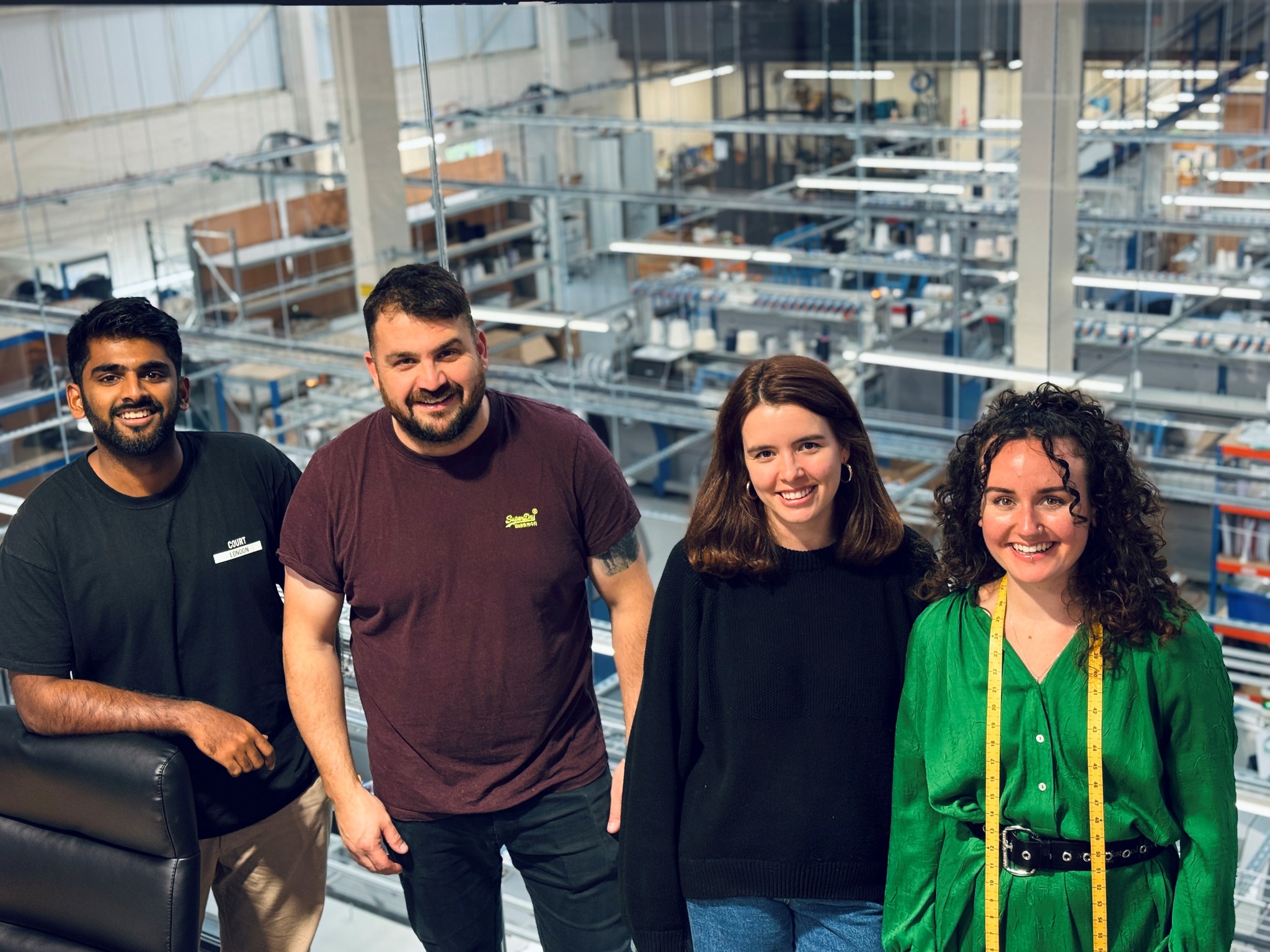
One of the most positive surprises has been how well the transition has worked, and how welcoming the local staff have been to our multinational relocating staff.
We’ve been able to retain around 50% of our original London team, while also creating new roles locally, and the integration between those groups has been incredibly strong.
The level of support from both the business community and government has also been notable, with a very open and accessible approach that has made it easier to navigate growth and investment.
As with any island location, logistics and housing require careful planning. While connectivity is strong, you have to be more deliberate in how you manage supply chains and timelines. The shortage of housing is the main limiting factor in IOM attracting foreign investment.
There is also the ongoing challenge of continuing to build and develop a skilled workforce within a smaller population base, which requires investment in training and long-term talent development.
That said, these challenges are balanced by the advantages the Island offers in terms of stability, support, and quality of life.
Absolutely!
And we see it as an important opportunity rather than a limitation. For example we were able to reshore orders from China to IOM during the "Trump Tariff War" proving it was a strategic correct decision to have a plan B when overstretched global supply chains start to crack.
There is a growing shift within the industry towards more localised, transparent supply chains, and Celtic nations have a strong heritage of craftsmanship and textile production that can support this.
We’re already seeing this in practice, with clients sourcing yarns more regionally, for example from Ireland, and producing closer to market.
With the right investment, skills, and infrastructure, it is entirely possible to build a commercially viable and globally relevant manufacturing business in this region.
Sustainability is central to how we’ve designed our operations on the Isle of Man.
Our facility includes the Island’s largest solar installation, which generates approximately 75% of the energy used in production. We’ve also implemented advanced water recycling systems to significantly reduce consumption.
Beyond infrastructure, we’re working with clients to make more responsible material and sourcing decisions, including reducing transport distances and supporting regional supply chains.
It’s about taking a holistic approach, from energy and resources through to how and where products are made.
We’re currently entering a new phase of growth.
This includes the expansion of our production capabilities through the phase 2 redevelopment of Barrule House, as well as continued investment in our e-commerce offering across both our TT collections and in-house knitwear lines.
Listen to Chris Murphy, Founder & CEO of The Albion Knitting Co at the forum on the Isle of Man.

Global Cornish comes together in Wisconsin and New York to help grow diaspora engagement.
Read More
Discover what makes the Isle of Man a unique place to do business, from innovation and collaboration to UNESCO Biosphere status and quality of life.
Read More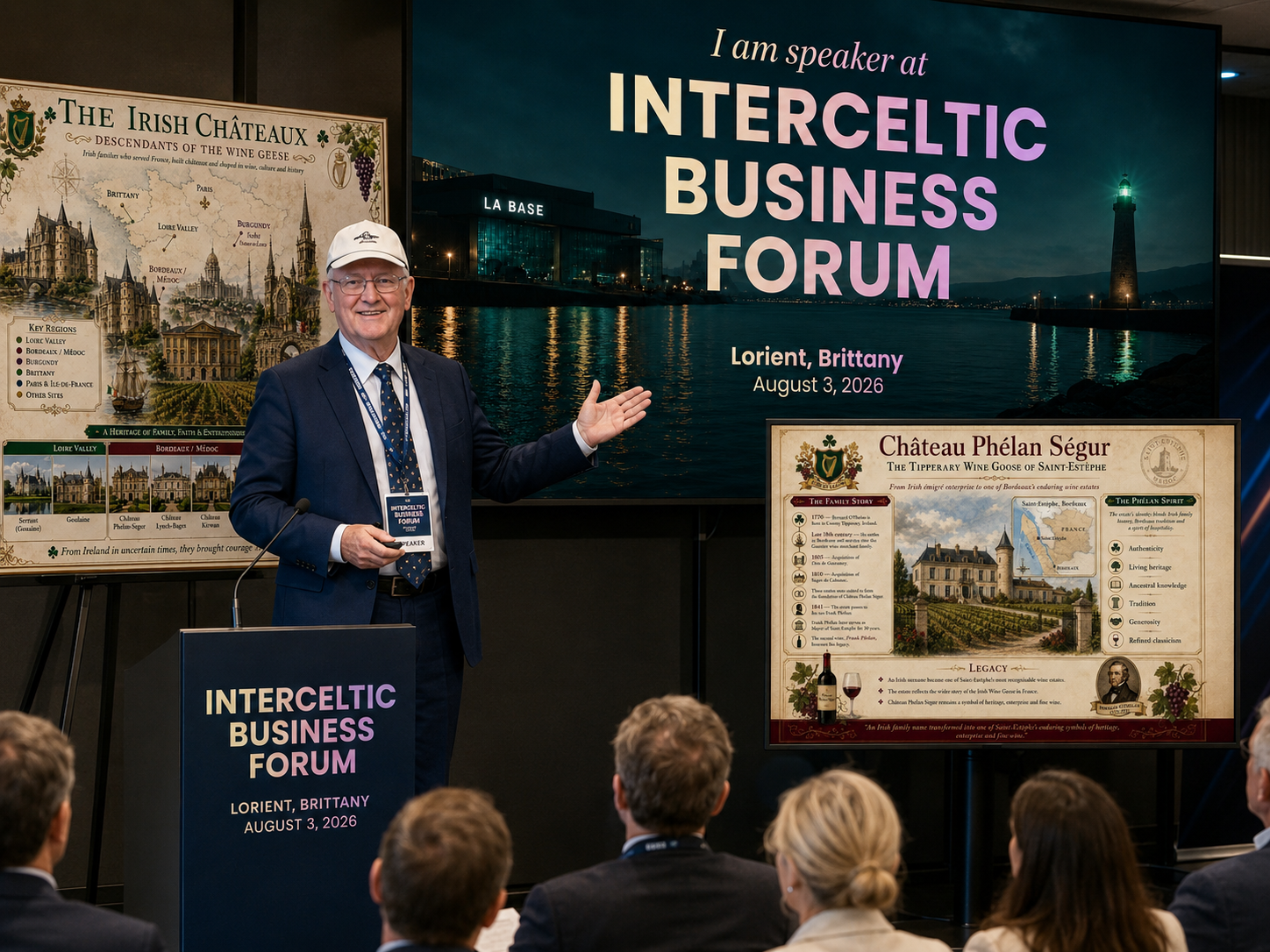
A pictorial history of the remarkable influence of Irish families and Irish châteaux on the French wine industry
Read More%20(1).jpg)
Irish fintech recognised for transforming digital customer experiences with no-code innovation and AI
Read More


