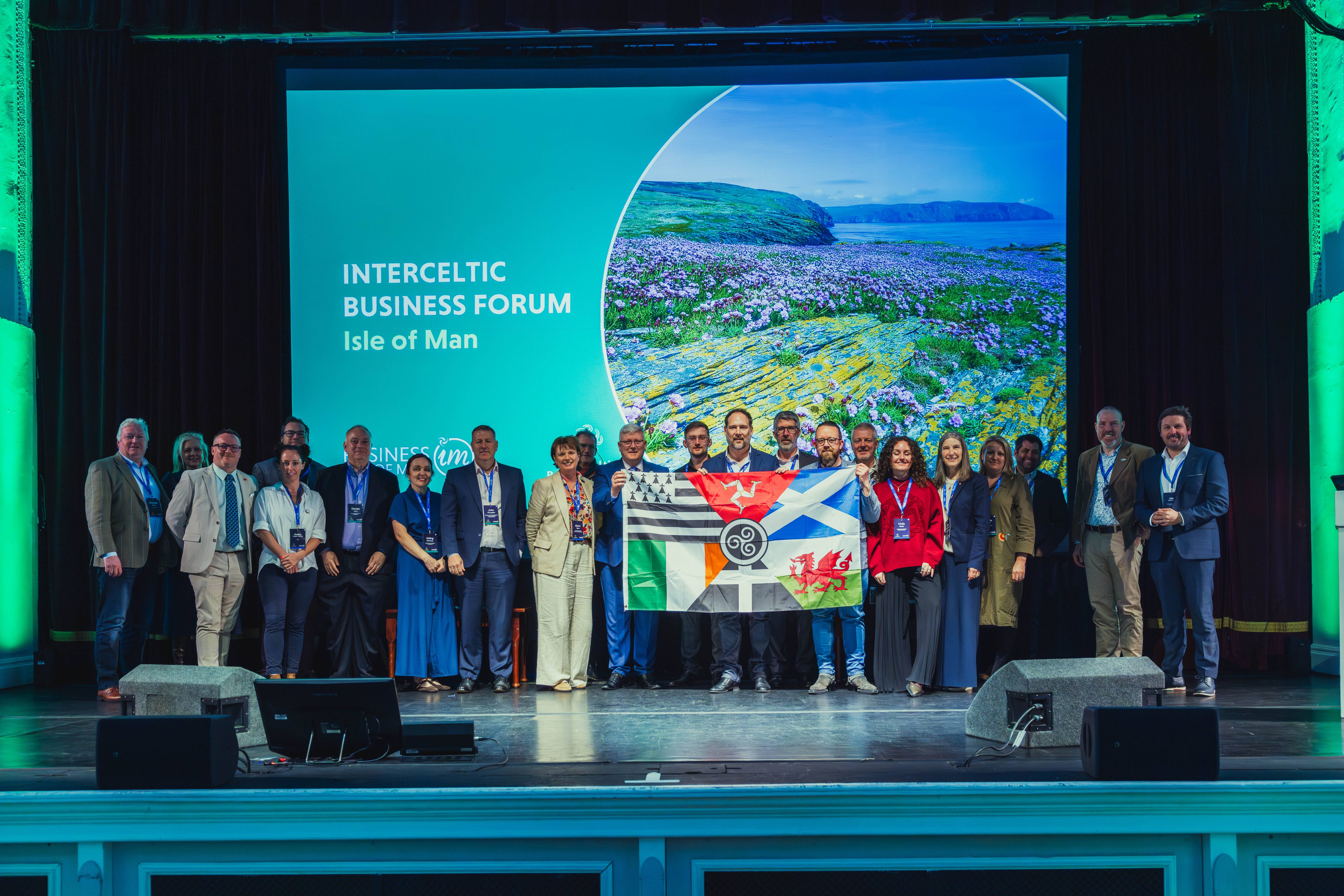
The Isle of Man welcomed the Interceltic Business Forum for a first edition focused on innovation, regional ambition, cultural connection, and future business opportunity.
The Interceltic Business Forum arrived on the Isle of Man for the first time this year, bringing together business leaders, founders, investors, policymakers, and innovators from across the Celtic nations for a day shaped by ideas, collaboration, and shared ambition. Following previous editions in Galway, Cardiff, and Falmouth, the Isle of Man proved a natural next destination: a business-friendly island in the heart of the Irish Sea, with a strong sense of identity, an outward-looking economy, and a clear appetite for international opportunity.
From the outset, it was clear that this was not simply another business event. The Interceltic Business Forum has always offered something distinctive, bringing together economic ambition with regional pride, cultural connection, and practical exchange. On the Isle of Man, that formula felt especially powerful. The Island itself became part of the story, not just as a venue, but as an active participant in the wider Celtic business conversation.
The day opened with a welcome from Hon. Alf Cannan MHK, Chief Minister, Kirree Gooberman, CEO of Business Isle of Man, and Charles Kergaravat, Founder of the Interceltic Business Forum. Together, their remarks set the tone for a forum rooted in connection and collaboration, but equally focused on growth, opportunity, and long-term value.
That wider perspective came through early in a fireside chat between Charles Kergaravat and Leigh Frost, Leader of Cornwall Council, exploring diaspora and Cornwall’s role as Honoured Nation at the Festival Interceltique de Lorient 2026. Frost’s remarks highlighted a theme that ran through much of the day: that Celtic regions are not defined by their size, but by the clarity of their ambition. In Cornwall’s case, that included a stronger international outlook and a growing desire for greater autonomy within the UK — a reminder that economic confidence, cultural identity, and regional self-determination often move together.
Placed so early in the programme, the conversation helped define the spirit of the forum. This was not just about networking across territories, but about how Celtic regions see themselves, how they want to be seen by others, and how collaboration can strengthen both economic opportunity and regional voice.
.jpg)
That sense of discovery ran throughout the day. For many attendees, this was an introduction to the Isle of Man’s business environment, its local leadership, and its strong culture of support for innovation and enterprise. For others, it was a chance to deepen existing relationships and explore how this distinctive island economy fits into a wider Celtic network of business, talent, and ideas. Either way, the forum showed that the Isle of Man was a fitting and compelling host: open, engaged, and ready to be part of the next chapter of interceltic collaboration.
One of the strongest themes to emerge from the day was the Isle of Man’s ability to combine agility, accessibility, and ambition in a way that feels increasingly relevant in today’s business landscape. That message came through not only in the opening welcome, but in the calibre of local speakers, companies, and organisations represented throughout the programme.
Rather than simply hosting the forum, the Island helped shape it. Local business and political leaders opened up the Isle of Man to visiting delegates, offering insight into its economy, its strategic priorities, and the sectors driving growth. That local participation gave the event real depth. It also reinforced one of the core strengths of the forum itself: the idea that meaningful business relationships are built not only through introductions, but through understanding place, context, and regional expertise.
For Isle of Man businesses, hosting the forum was about more than visibility. It was a chance to open direct conversations with decision-makers from across Ireland, Scotland, Wales, Brittany, Cornwall and beyond, while also showcasing the Island’s strengths in areas such as innovation, tourism, manufacturing, engineering, maritime, and sustainability. That made the event feel practical as well as symbolic. It was not only a celebration of Celtic connection, but a platform for growth, exchange, and future collaboration.
Innovation was one of the defining themes of the day, and it began in a way that immediately grounded the conversation in local Manx enterprise. The Isle of Man Innovation Challenge offered a strong reflection of the Island’s entrepreneurial energy and future-facing mindset. Hosted by Chris Reilly, Strategic Partnership Manager at Digital Isle of Man, the session brought together Shelley Langan-Newton, Co-Founder & CEO of SQR, and Brendon Kenny of Ellanstone Ltd., helping to showcase the kind of innovative thinking and ambitious business leadership already being built on the Island.
This was an important part of the story. For a forum arriving in a new host location, it mattered that attendees were not only hearing about innovation in theory, but seeing how it is already being developed and supported locally. The Innovation Challenge demonstrated that the Isle of Man is not simply open to new ideas; it is actively creating the conditions for them to grow.
From there, the programme widened the conversation to one of the day’s most timely themes: how AI is changing not just business systems, but the way organisations communicate across languages, cultures, and communities. Tomás Ó Síocháin, CEO of Údarás na Gaeltachta, brought a particularly important perspective by highlighting the organisation’s real push to reduce the digital divide, while also engaging with major technology companies to ensure that smaller language communities are not left behind. In a Celtic context, where language is closely tied to identity, belonging, and access, his contribution served as a reminder that innovation must also be inclusive — and that digital progress should strengthen, rather than marginalise, regional and linguistic diversity.
Declan Ivory, VP Customer Support at Intercom, brought a different but equally compelling angle: the growth story of a Dublin-founded company now helping organisations around the world adopt and use AI to improve customer support, increase efficiency, and raise satisfaction. His session showed how AI is no longer a distant concept, but a practical tool already transforming how companies operate at scale. Together, the two talks captured both sides of the current AI conversation — the need to widen access and reduce exclusion, and the opportunity to build globally relevant businesses that turn new technology into real operational value.
What made these sessions especially strong was that they did not treat AI as a detached or abstract trend. Instead, they connected it to lived business realities: how organisations adapt, how they communicate, and how technology can be adopted in ways that support both efficiency and inclusion.
Later in the day, that relationship between innovation and identity was explored even more directly in a session on preserving the Manx language with the use of AI. Featuring Chris Kissack, Senior Business Development Manager at Acclaim Limited, and Chris Bartley, PhD Student in Speech and Language Processing at the University of Sheffield, the discussion showed how technology can also play a role in protecting and strengthening culture. That combination, future-facing innovation on one hand and linguistic heritage on the other, captured something essential about the Interceltic Business Forum as a whole. It is a space where business, technology, and identity are not treated as separate conversations, but as connected parts of a broader regional story.
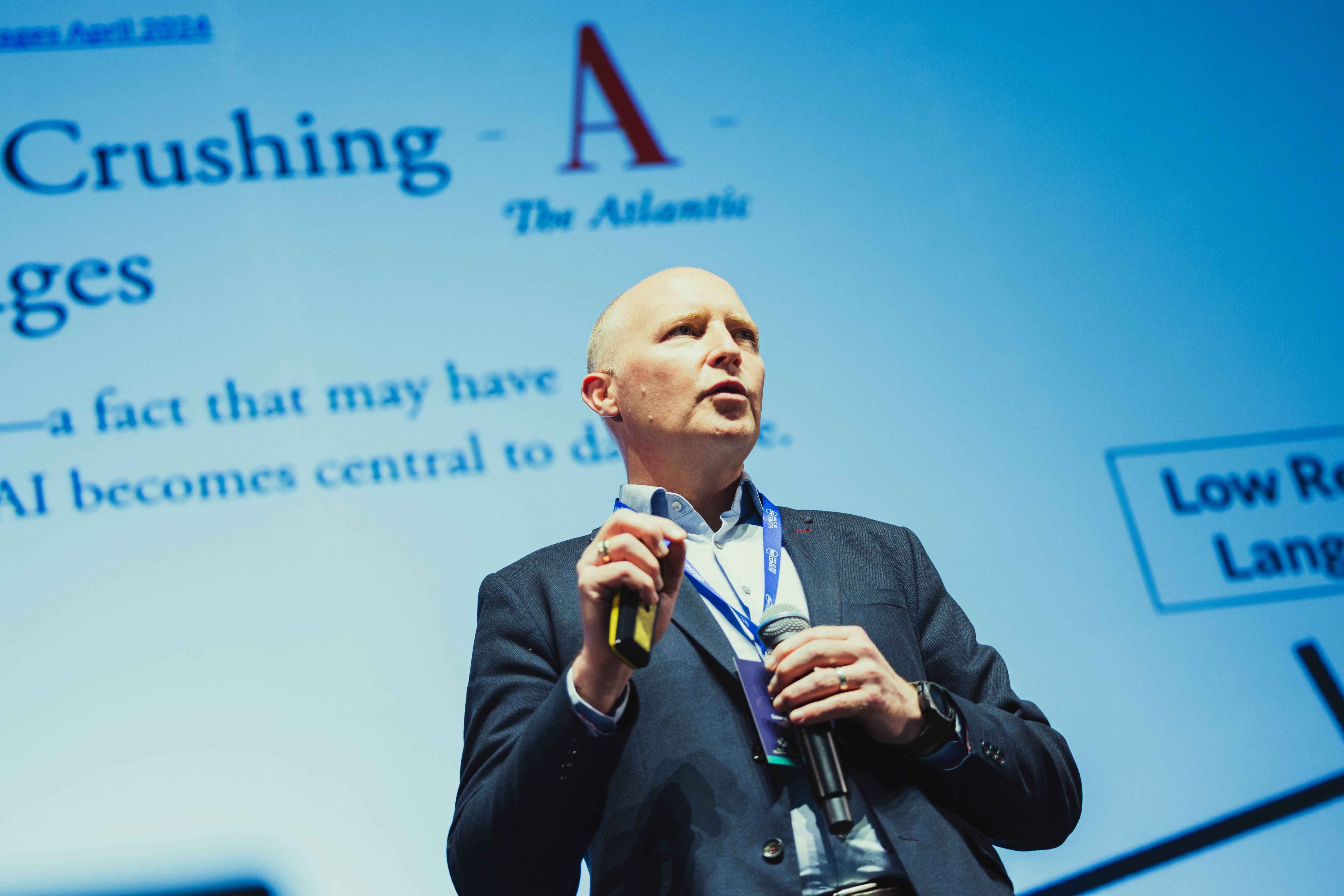
The wider regional story continued through the day in conversations that showed how deeply connected business, identity, and belonging can be. The Interceltic Business Forum is not interested in commerce in the narrowest possible sense. It is equally interested in the cultural and community frameworks that help regions build stronger, more resilient futures.
That dimension came through in sessions involving Culture Vannin and the Year of Manx Language, with Tiffany Kerruish, Year of the Manx Language Coordinator, bringing local energy and visibility to an important part of the Island’s cultural life. This was significant for more than symbolic reasons. Language is not simply a heritage issue; it is part of how communities define themselves, present themselves, and create continuity across generations. In a forum designed to strengthen Celtic business connections, that matters.
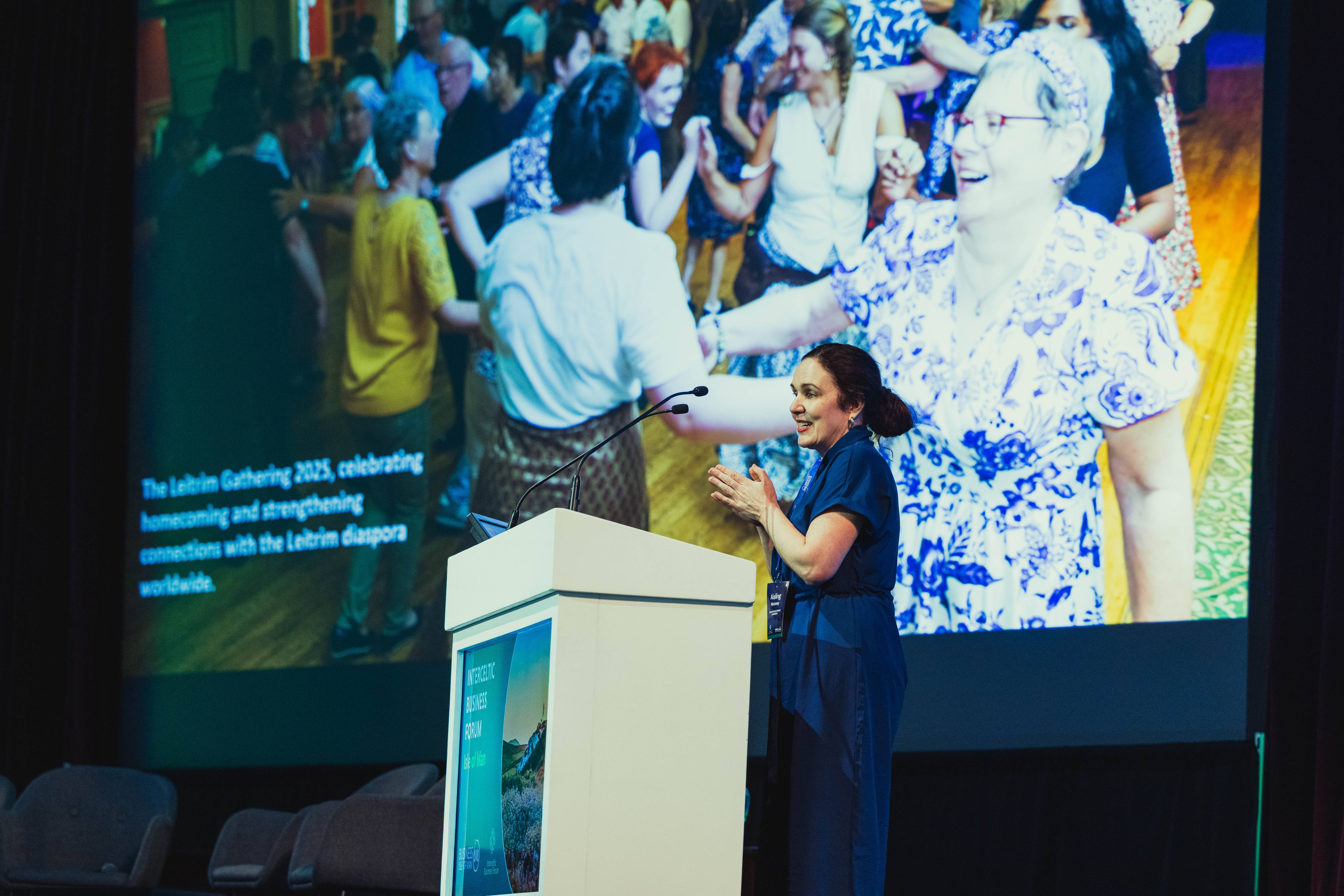
The later sessions on diaspora widened the conversation further. Aisling Moroney, Policy Analyst at the Western Development Commission, explored how Ireland interacts and engages with its diaspora, while a broader discussion on maximising Celtic diaspora, hosted by Charles Kergaravat, brought together Nicola Lloyd, Founder of Global Cornish, Allan Mulrooney, CEO of the Western Development Commission, and Alison Teare, Head of Locate Isle of Man.
Taken together, these conversations highlighted one of the forum’s biggest strengths: its ability to treat diaspora not simply as sentiment, but as strategy. Diaspora networks matter because they carry knowledge, relationships, affinity, and trust across borders. In a world where place still matters, and where the quality of relationships often shapes the quality of opportunity, those networks can be a powerful asset. The forum’s willingness to engage with that seriously is part of what makes it stand apart from more conventional business conferences.
Another strong thread running through the programme was the idea that growth must be shaped with purpose. The Interceltic Business Forum has always had a broader understanding of economic value than many purely corporate events, and that came through clearly in sessions focused on tourism, sustainability, and the role of the natural environment.
A standout example was Sapphire Holidays’ contribution on becoming a B-Corp. With Simon Tregoning, Owner and Chairman, Tony Edwards, Mobile Application Developer, and Annie Cowen, Group Content Writer, sharing the company’s journey, the session offered a practical case study in how values-led business can work in practice. This was important not only because B-Corp status carries growing relevance across sectors, but because it grounded the sustainability conversation in something tangible. Rather than speaking in generalities, Sapphire Holidays showed what it means to align commercial activity with accountability, responsibility, and long-term thinking.
That conversation fed naturally into the wider session on tourism with purpose, hosted by Steve Pickett, Chair of Visit Isle of Man and Business Isle of Man, and featuring Simon Tregoning, John Keggin, Commercial Director of Island Escapes, and Jamie Miles, Managing Director of Anglesey Holiday Lettings. The discussion pointed to a broader shift within tourism itself: away from volume alone, and towards more thoughtful models of value creation that consider local communities, visitor experience, and the environment together.
This felt particularly relevant in an island setting, where place is not just a backdrop, but one of the defining assets of the economy. Responsible tourism, when done well, can help strengthen that asset rather than erode it. The forum’s inclusion of these topics made clear that business growth across the Celtic world must increasingly be understood in this wider context.
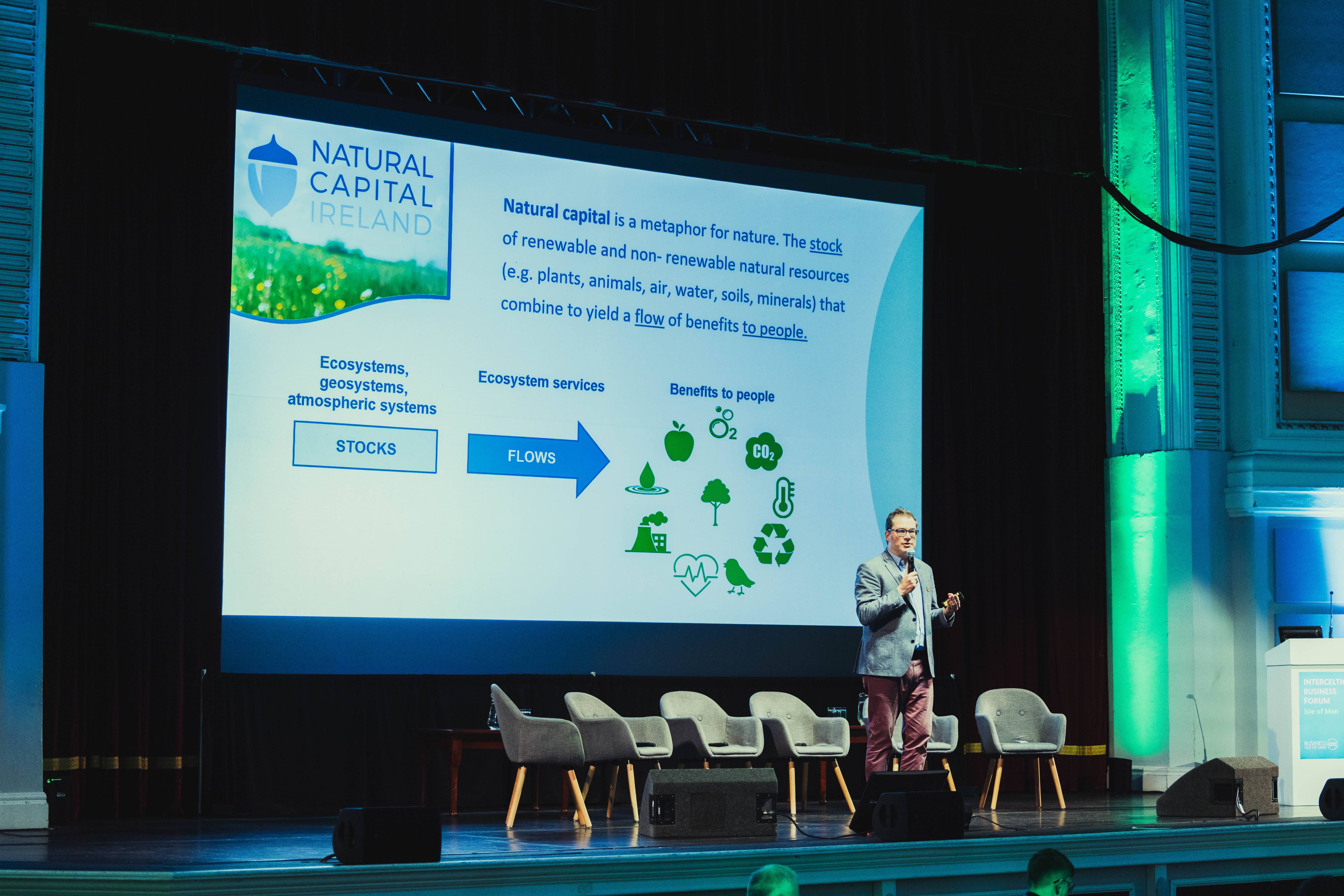
That perspective continued in the afternoon session on the value of nature, hosted by Paul Blake, Head of Banking & Fiduciaries at Finance Isle of Man, and featuring Graham Makepeace-Warne, CEO of Manx Wildlife Trust, Alan Costello, Chair of the Board of Directors for Natural Capital Ireland, and Nigel Cheesley, Country Head for the Isle of Man and Director of Sustainability at Lloyds Bank International. Here again, the forum moved beyond narrow definitions of economic performance and asked bigger questions about stewardship, sustainability, and the long-term conditions that support resilient growth.
If the morning sessions highlighted ideas and frameworks, the later parts of the programme also gave plenty of space to sectors where the Isle of Man has practical and strategic strength. A fireside chat on the state of maritime, featuring Lee Clarke, Managing Director of IOM Maritime, and Cameron Mitchell, Director of IOM Ship Registry, reinforced the Island’s role in a sector that remains central to many island and coastal economies, while also pointing to the Isle of Man’s expertise and relevance in this space.
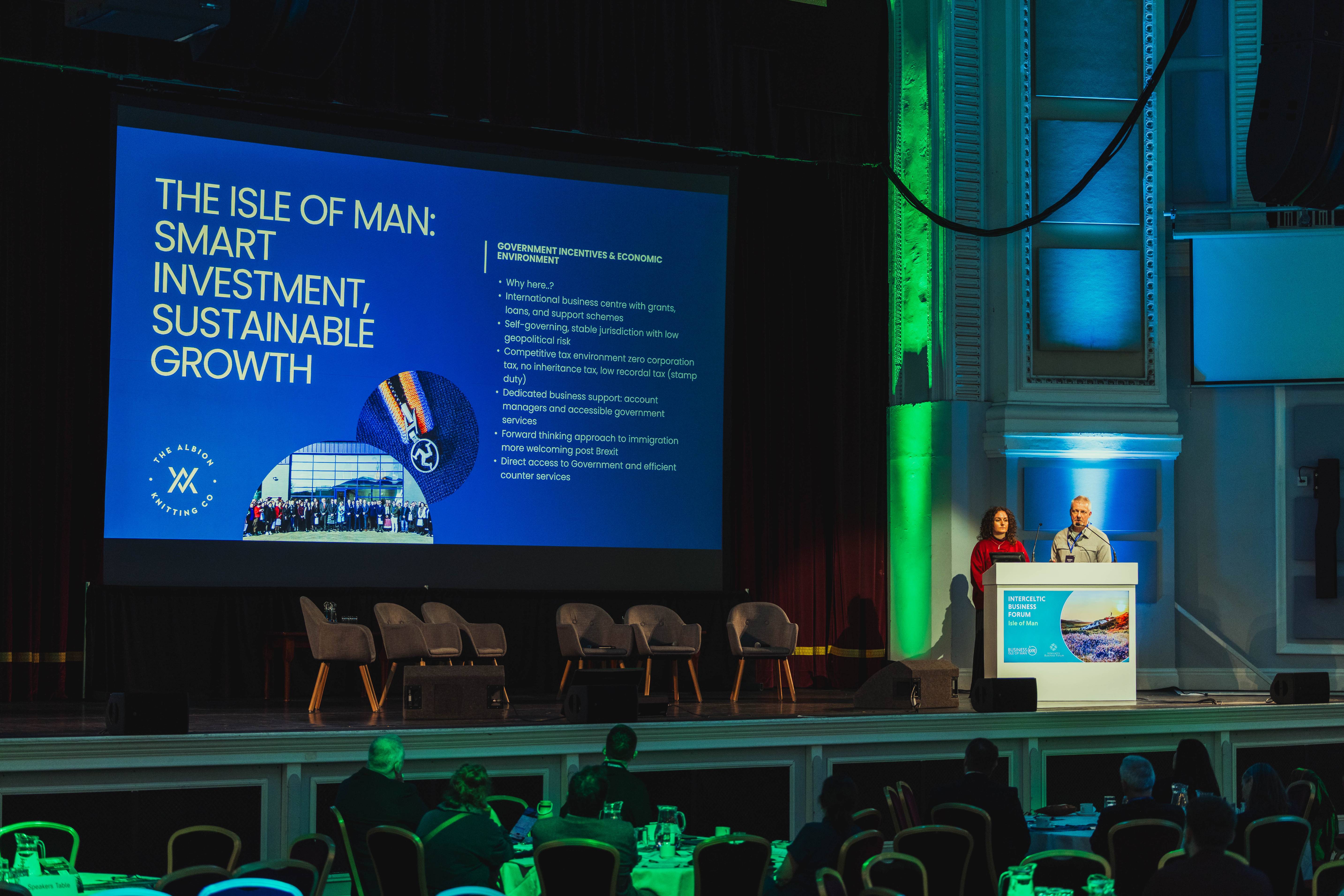
Engineering and manufacturing were also given a strong platform, with Colin Moughton, Founder & Principal Consultant at Insight Innovation, leading a session focused on engineering and manufacturing in the Isle of Man. This was followed by a business showcase from The Albion Knitting Co. Ltd, featuring Chris Murphy, CEO
The inclusion of Albion was particularly powerful because it gave the audience a real example of what modern manufacturing can look like when rooted in place, but designed for long-term competitiveness. The company’s story, from luxury knitwear production to sustainability and skills development, offered a compelling case for the continued viability of manufacturing in a Celtic nation. It also reinforced another key message of the day: that regional businesses can be both highly specialised and globally relevant.
More broadly, these sessions helped anchor the forum in commercial reality. They showed that the conversations happening throughout the day were not detached from sector needs, operational challenges, or business strategy. On the contrary, they were closely connected to them.
No recap of the day would be complete without highlighting the contribution of Mary McKenna, Co-Founder & Chair of Awaken Angels, whose fireside chat with Charles Kergaravat brought a valuable investment and founder-support perspective into the programme.
Her presence added another important dimension to the day: the role of networks, access to capital, and ecosystem building in helping ambitious businesses grow. That focus matters enormously across the Celtic nations, where many regions are rich in talent, ideas, and entrepreneurial potential, but still face challenges around visibility, scale, and investment access.
By including this conversation, the forum reinforced the idea that business growth is not only about individual companies, but about the systems that support them. Stronger networks, better access to investors, and more connected regional ecosystems all contribute to the conditions in which businesses can thrive. In that sense, the Interceltic Business Forum is not just reflecting these needs, it is actively helping to meet them by bringing the right people together in the right setting.
One of the strongest signals of the forum’s impact came from the response on the Isle of Man itself. Local hosts, partners, and attendees framed the event not just as a successful gathering, but as a meaningful opportunity for visibility, connection, and future collaboration.
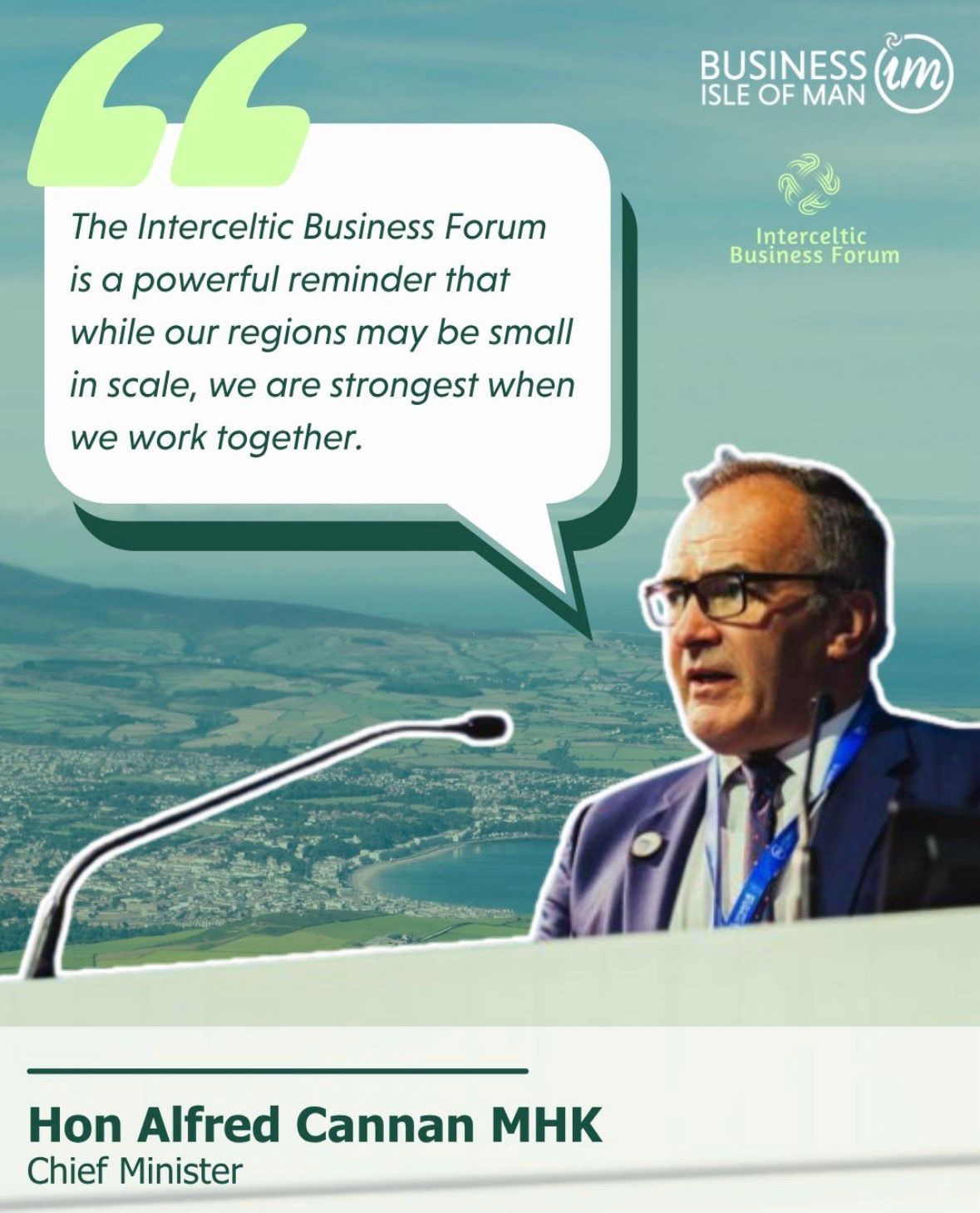
That collaborative spirit was captured powerfully in a remark shared during the event by Hon. Alf Cannan MHK, Chief Minister of the Isle of Man:
“The Interceltic Business Forum is a powerful reminder that while our regions may be small in scale, we are strongest when we work together.”
It was a line that resonated strongly across the day and neatly expressed the spirit of the forum itself.
Business Isle of Man also reflected positively on the event, emphasising the energy of the conversations, the relationships being built, and the value of bringing together voices from across the Celtic nations. That matters because it reinforces a central point of this year’s recap: the Isle of Man did not simply host the forum, it embraced it and helped shape it.
The response from local organisations also highlighted the practical value of the event for Manx businesses, particularly in giving them access to new networks, strategic conversations, and a broader interceltic platform. The result was a forum that felt both outward-looking and rooted in place, balancing ambition with authenticity in a way that made the Isle of Man edition stand out.

Perhaps the clearest sign of the forum’s success, however, was the sense that the Isle of Man edition was never only about one day. From the final update by founder Charles Kergaravat to the closing statements from Kirree Gooberman, the emphasis was firmly on momentum.
That momentum was made tangible through a series of announcements that pointed clearly towards what comes next: a London Tech Week meetup on 8 June, the launch of the Interceltic Startup Challenge with Arnaud Rentenier and AudéLor, and an open invitation to reconvene in Lorient for the next forum on 3 August.
And the momentum continues:
📍 London Tech Week meetup — 8 June
🚀 Launch of the Interceltic Startup Challenge
📍 Next forum in Lorient — 3 August (sign-up now)
These next steps matter because they show that the Interceltic Business Forum is building continuity between events, between people, and between opportunities. Each edition creates value in the moment, but also contributes to something bigger: a growing network shaped by trust, local knowledge, shared identity, and practical collaboration.
The Isle of Man edition captured that especially well. It introduced many attendees to a new host destination that quickly proved its relevance and appeal. It gave visibility to local companies, local leadership, and local priorities. It created space for serious business discussion across innovation, investment, tourism, manufacturing, maritime, sustainability, language, and diaspora. And it ended not with a sense of completion, but with a clear sense of direction.
As the Interceltic Business Forum continues to grow from one Celtic region to the next, the Isle of Man edition showed just how powerful that model can be: rooted in place, open to the world, and full of practical opportunity for those looking to build meaningful connections across borders.

Global Cornish comes together in Wisconsin and New York to help grow diaspora engagement.
Read More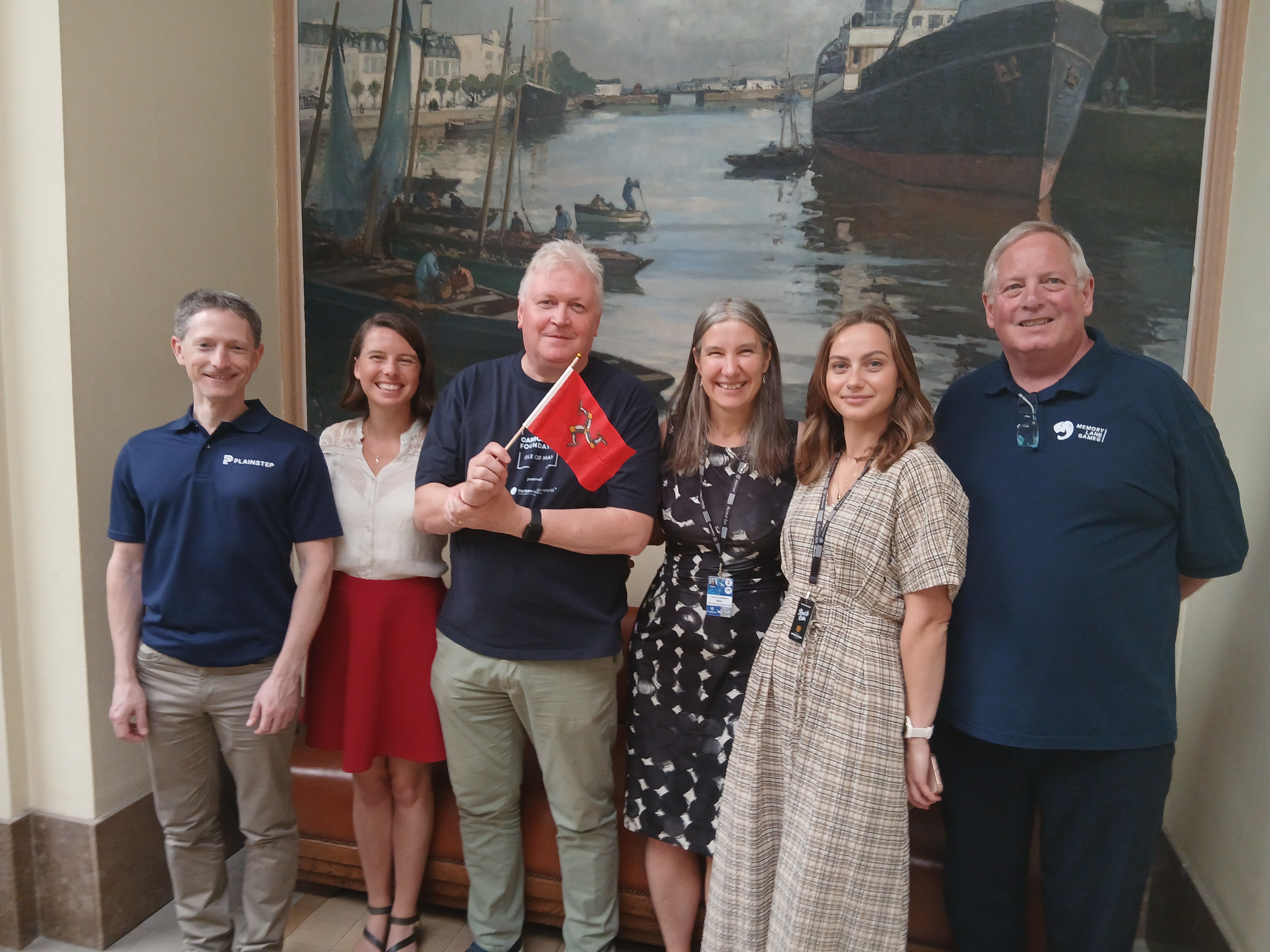
Discover what makes the Isle of Man a unique place to do business, from innovation and collaboration to UNESCO Biosphere status and quality of life.
Read More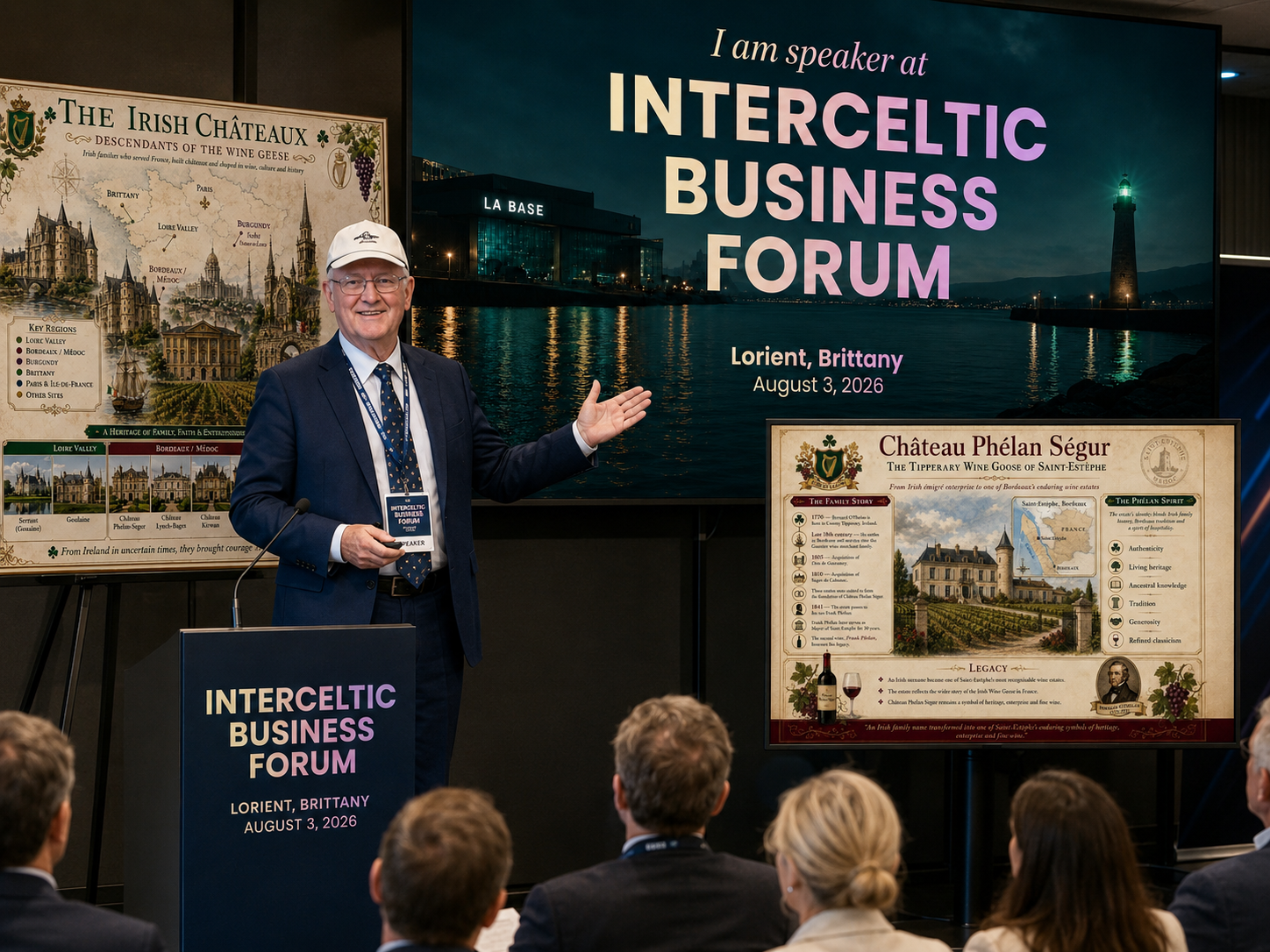
A pictorial history of the remarkable influence of Irish families and Irish châteaux on the French wine industry
Read More%20(1).jpg)
Irish fintech recognised for transforming digital customer experiences with no-code innovation and AI
Read More


