
Dr Emma Williams shares how emwillcare is using specialist behavioural science to support people living with dementia, families and care teams.
Dr Emma Williams, founder of emwillcare, shares how nearly 30 years in care inspired Less Distress, a digital behavioural support platform designed to help people living with dementia receive calmer, more personalised support. Meet her in Lorient at the Interceltic Business Forum this August.
After almost three decades working in care and specialising in dementia behaviour support, Dr Emma Williams kept seeing the same challenge: distress in dementia was too often misunderstood.
People were described as “challenging” or “difficult”, when in reality they might have been frightened, overwhelmed, in pain, confused, or trying to communicate that something was wrong.
That experience led her to create Less Distress, a digital behavioural support platform developed by emwillcare to help families, care teams and providers understand distress earlier and respond with more confidence and compassion.
We spoke with Emma ahead of her appearance at the Interceltic Business Forum in Lorient this August, where she will represent Wales in the Interceltic Startup Challenge 2026.
I started emwillcare because, after nearly 30 years working in care and specialising in dementia behaviour support, I kept seeing the same problem: distress in dementia is often misunderstood.
People are often described as “challenging” or “difficult”, when in reality they may be frightened, overwhelmed, in pain, confused, or trying to communicate that something is wrong. I've sat with families and care teams who are doing their very best, but still feel helpless when someone they care for is distressed.
I knew there had to be a better way to get specialist support into the hands of the people providing care every day. Less Distress was created to help carers feel more confident, respond earlier, and give people living with dementia calmer, more personalised support.
Because it is digital and scalable, the potential impact is much bigger than one consultant, one care home, or one local service. Dementia affects millions of people and families around the world. Less Distress is our way of taking specialist knowledge that is usually hard to access and making it available to the people who need it most.
emwillcare is developing Less Distress, a digital behavioural support platform for dementia care.
It supports people providing care — whether family members, paid carers, care home staff or hospital teams — to understand distress more clearly and respond in a more personalised way. Less Distress is intended to be used in different care settings, from someone’s own home to a care home or hospital ward.
The problem is that distressed behaviour in dementia can be frightening and difficult for everyone involved. Families and staff are often doing their best, but may not know what is causing the distress or what will help in that moment. Less Distress is designed to give practical, accessible guidance so people can act earlier, with more confidence and compassion.
The wider impact is significant. Distress can lead to crisis responses, medication, one-to-one care, hospital admissions, staff burnout, family worry and care placement breakdowns. We want to help shift dementia care away from crisis management and towards earlier, calmer, more personalised support.
The main beneficiaries are people living with dementia, because the aim is to reduce distress and improve quality of life.
Families also benefit because they can feel more reassured that their loved one is being understood and supported as an individual. Care staff benefit because they have clearer guidance and feel less alone when managing difficult moments. Care providers benefit too, because better support can reduce pressure on teams and improve the overall quality and consistency of care.

Less Distress is built from specialist behavioural science and real-world dementia care experience.
A lot of dementia support is still quite general. Our approach is different because it focuses on the person, the situation and what may be sitting behind the distress. It brings specialist thinking into a format that is simple enough for busy care teams to use in everyday practice.
It means a huge amount. I’m based in North Wales, and I’m very proud to be building a company here that has the potential to make an impact far beyond Wales.
Innovation doesn't only come from big cities or large institutions. Representing my region with the Interceltic Challenge is a chance to show that a company from North Wales can build something ambitious, evidence-led and globally relevant.
It also feels very fitting because dementia care is such a human issue. It affects families and communities everywhere, including across the Celtic nations where identity, language, family and community matter so deeply.
I’m hoping to build meaningful connections with other founders, investors, partners and organisations who understand both innovation and social impact.
For Less Distress, Lorient is also an opportunity to explore international links. Dementia is a global challenge, and although we are starting in the UK, the need for better support is universal.
Less Distress is now moving into a new phase. We have early traction, a lead angel in place and match funding agreed in principle, and we are preparing for growth. At the Interceltic Business Forum, I’d love to connect with people who understand both the commercial opportunity and the social impact of what we are building.
I’d love to come away from Lorient with new relationships, fresh insight, and potential routes for collaboration as we grow.
Emma will be one of six founders presenting at the Interceltic Business Forum on 3 August in Lorient, France.
Come hear how Celtic startups like emwillcare are developing new solutions to real-world challenges and building opportunities across the Celtic regions.

Global Cornish comes together in Wisconsin and New York to help grow diaspora engagement.
Read More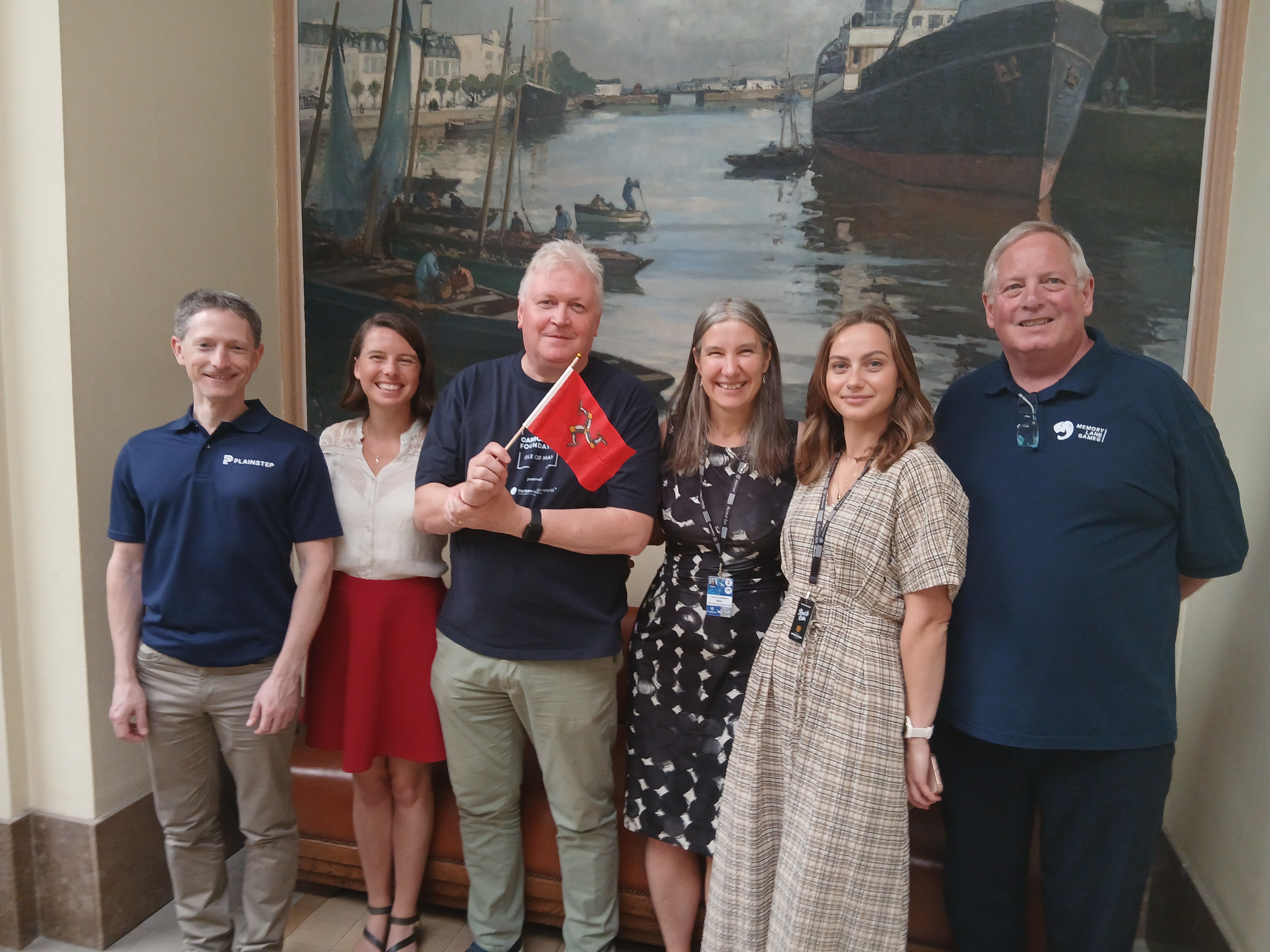
Discover what makes the Isle of Man a unique place to do business, from innovation and collaboration to UNESCO Biosphere status and quality of life.
Read More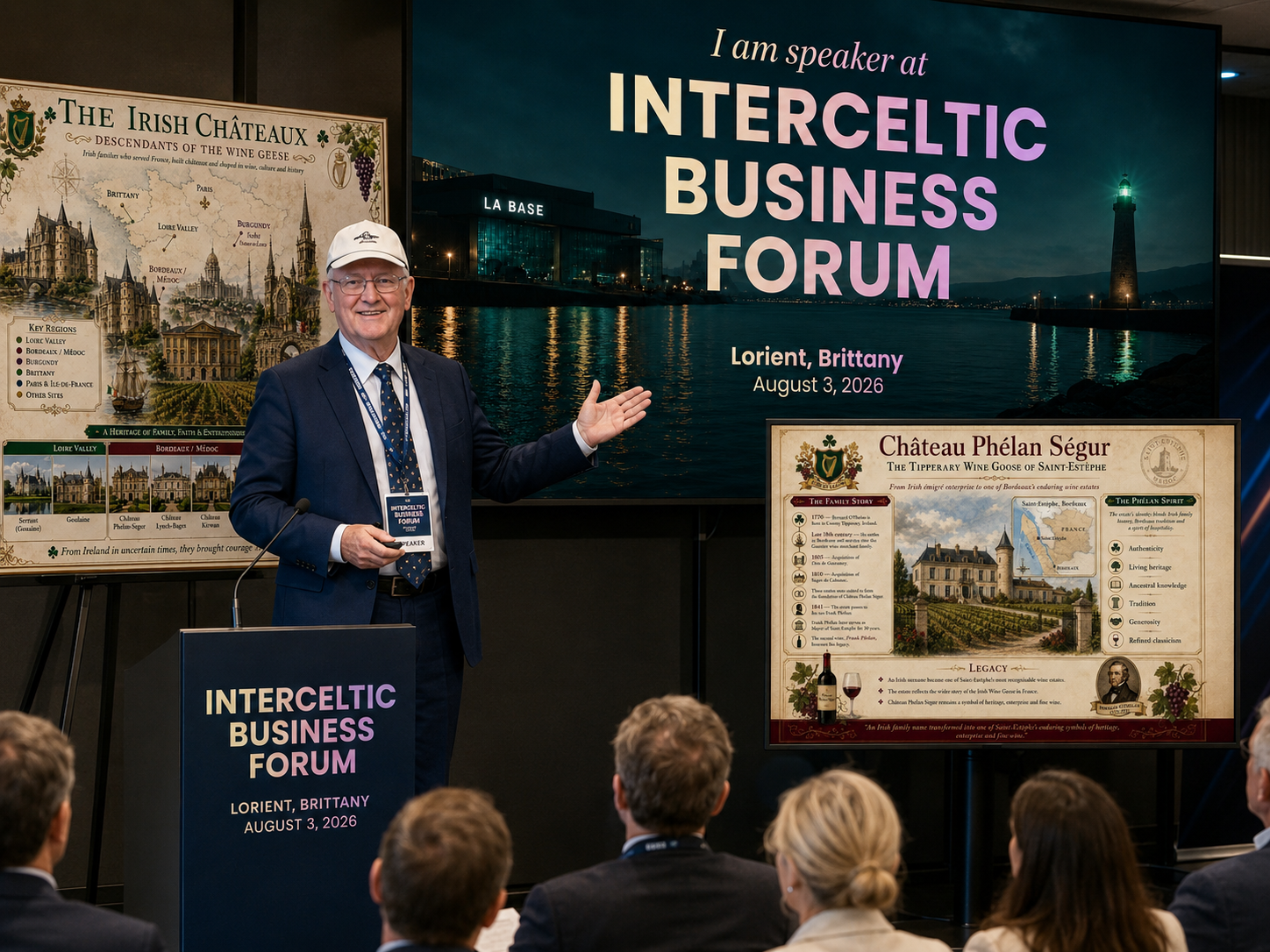
A pictorial history of the remarkable influence of Irish families and Irish châteaux on the French wine industry
Read More%20(1).jpg)
Irish fintech recognised for transforming digital customer experiences with no-code innovation and AI
Read More


